Source Semi-Automatic MDF Embossing Machine for Cabinets, Doors, and Panels
Find 30 Semi-Automatic MDF Embossing Machine listings from verified Chinese suppliers. Compare specifications like working width, motor brands, and voltage to select the right equipment for wood texture applications; compare the available evidence and request quotations based on your requirements.
Key considerations
Products List


$5100.00 - $8000.00
MOQ: 1 set


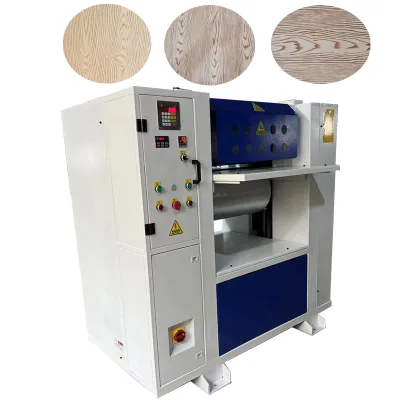
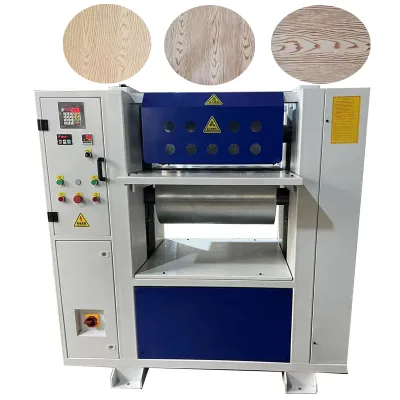


Heavy Duty MDF Wood Board Embossing Machine for 3-120mm Thickness Panels
$9000.00 - $16000.00
MOQ: 1 SET


Precise MDF Board Embossing Machine 1-7.5m/Min Feed Rate 1220mm Capacity
$9000.00 - $16000.00
MOQ: 1 SET


Manufacturer Direct Sale Board Sheet Embossing Machine Wood Grain Embossing Machine
$5000.00 - $12000.00
MOQ: 1 Pieces


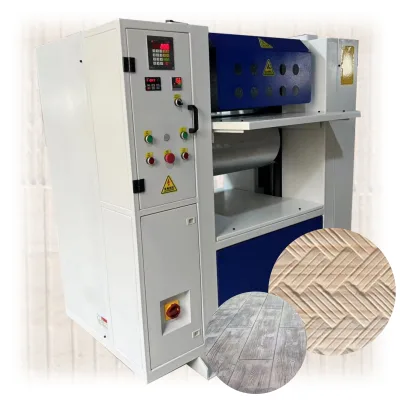


Comprehensive Sourcing Guide
Semi-Automatic MDF Embossing Machine Sourcing Guide
Procuring a semi-automatic MDF embossing machine requires careful alignment of mechanical capabilities with production throughput goals. Buyers must distinguish between fully automated lines and semi-automatic units that demand manual loading or unloading. This distinction directly impacts labor costs and operational flexibility. The observed market includes machines branded under names like SHARE, which often feature specific motor brands such as Weg or Siemens, and inverter brands like ABB or Delta. These component choices influence long-term reliability and maintenance ease. Understanding the specific automation level is the first critical step in defining procurement requirements.
The term "semi-automatic" in this context often overlaps with descriptions of wood rolling embossing machines or hot stamping units. Buyers should verify whether the machine operates with continuous feed or batch processing. Some listings describe the machine type as a wood sanding machine, which may indicate a hybrid function or a misclassification in the product title. It is essential to clarify the exact mechanical action, whether it involves thermal embossing or cold pressing, to ensure the equipment matches the desired MDF surface texture. This clarity prevents purchasing errors and ensures the machinery integrates correctly into existing workflow stages.
Product Scope and Observed Listing Signals
The current market landscape for these machines shows a wide variance in listed prices, ranging from approximately $850 to over $1,000,000 USD. This broad spectrum suggests that the category encompasses everything from small, manual-assist units to large, industrial-grade automated systems. Buyers must scrutinize the specific model numbers, such as SRYHJ-450, SRYHJ-650, or GLYW1300A, to understand the scale of the equipment. The presence of multiple model numbers in a single listing often indicates a product family rather than a single unit. This variety allows for customization but requires precise specification matching to avoid ordering the wrong capacity.
Observed product attributes reveal significant diversity in technical specifications. For instance, working widths may max out at 1300mm, while board thickness capabilities can range from 3mm to 120mm. Roller diameters are observed between 100mm and 800mm, affecting the embossing depth which typically ranges from 0.1mm to 1.2mm. Some listings mention a voltage of 380V and a power consumption of 4kW, while others describe automatic grades or semi-automatic operations. These conflicting signals highlight the need for buyers to verify the exact configuration of the machine they intend to purchase, as generic listings often aggregate multiple product variants.
Technical Specifications to Verify
Verifying the core mechanical specifications is paramount for ensuring the machine meets production demands. Buyers should confirm the maximum board width and thickness capabilities, as these limits define the usable product range. The feeding speed, observed in some listings as 0-15m/min, is a critical metric for throughput estimation. Additionally, the roller diameter and embossing depth must align with the desired aesthetic finish for the MDF panels. It is also necessary to check the motor brand and inverter type, as these components dictate the precision and stability of the embossing process. Mismatched specifications can lead to poor surface quality or mechanical failure.
The machine's physical dimensions and weight are also important logistical considerations. Some units are described with a weight of 1000kg and standard packing dimensions of 1.5x1x1.2m, while others mention packing in tubes for container shipping. Buyers must verify the loading port, often Qingdao Port, and the place of origin, which may be listed as Shandong or Henan, China. These details impact shipping costs and lead times. Furthermore, the automatic grade, whether semi-automatic or fully automatic, determines the level of operator intervention required. Clear verification of these technical parameters ensures the machine fits both the physical workspace and the operational workflow.
Compliance and Safety Documentation
Safety and regulatory compliance are non-negotiable aspects of industrial machinery procurement. Buyers must ensure that the machine carries valid certifications, such as CE and ISO9001, which indicate adherence to international safety and quality management standards. The presence of a machinery test report is a strong indicator of factory quality control, providing evidence that the machine has been tested for performance and safety before shipment. Buyers should request these documents before finalizing the purchase to verify that the equipment meets the regulatory requirements of their destination country. Lack of proper certification can lead to customs delays or operational bans.
In addition to certifications, buyers should verify the warranty terms and after-sales support structure. A standard one-year warranty is commonly observed, but the scope of coverage for parts and labor should be clearly defined. The availability of spare parts, particularly for critical components like the motor and inverter, is essential for minimizing downtime. Buyers should also inquire about the provision of operation manuals and training materials. Ensuring that the supplier provides comprehensive documentation helps in the safe and efficient operation of the machine, reducing the risk of accidents and operational errors during the initial setup phase.
Cost Drivers and Commercial Terms
Understanding the factors that influence the total cost of ownership is crucial for effective budgeting. The price range observed in the market is vast, driven by differences in automation level, component quality, and production capacity. Machines with premium motor brands like Siemens or Weg typically command higher prices but offer better long-term reliability. The customization options, such as specific roller patterns or board width adjustments, also add to the cost. Buyers should request detailed quotations that break down the base machine price, customization fees, and shipping costs to avoid hidden expenses.
Commercial terms, including the minimum order quantity (MOQ) and payment terms, vary among suppliers. While some listings show an MOQ of 1, others may have different requirements for customized units. The packing method, whether standard export packaging or tube packing for container optimization, affects shipping efficiency and cost. Buyers should negotiate clear terms regarding delivery lead times and the loading port. Additionally, understanding the warranty claim process and the availability of technical support is vital. Transparent commercial terms help in comparing suppliers accurately and ensuring that the final investment aligns with the expected return on investment.
Supplier Qualification and Quality Control
Evaluating supplier credibility is essential to mitigate procurement risks. Buyers should verify the supplier's business license and manufacturing capabilities, ensuring they are a direct manufacturer rather than a trading company. The presence of ISO9001 certification is a positive indicator of quality management systems. Suppliers should be able to provide references or case studies from previous clients, particularly those using similar semi-automatic embossing machines. Checking the supplier's response rate and communication quality can also provide insights into their professionalism and reliability. A responsive supplier is more likely to provide timely support during the installation and commissioning phases.
Quality control processes should be transparent and verifiable. Buyers should inquire about the inspection procedures conducted before shipment, including functional tests and safety checks. The provision of a machinery test report is a key indicator of rigorous quality control. Additionally, buyers may consider third-party inspection services to verify the machine's condition and specifications before payment. Understanding the supplier's defect resolution policy is also important. A supplier with a robust quality control system is more likely to deliver a machine that meets the specified technical requirements and performs reliably in production environments.
Long-Term Procurement Checks
Ensuring the long-term viability of the procurement requires planning for maintenance and scalability. Buyers should assess the availability of spare parts and the supplier's ability to provide ongoing technical support. Machines with common component brands like ABB or Delta may have easier access to replacement parts. It is also important to consider the machine's energy efficiency, as power consumption impacts operational costs over time. Buyers should evaluate the machine's durability and expected lifespan based on the build quality and material specifications, such as the use of SS316L for certain components.
Scalability is another key consideration for future growth. Buyers should determine if the supplier offers upgrades or additional modules that can enhance the machine's capabilities. This includes options for increased feeding speed or wider working widths. Understanding the supplier's roadmap for product development can help in making a forward-looking investment decision. Additionally, buyers should establish a clear communication channel for future orders and support requests. A reliable supplier relationship ensures that the procurement process remains smooth and efficient as business needs evolve, providing a solid foundation for long-term operational success.
FAQs
What is the working width of the wood embossing machine?
The working width reaches a maximum of 1300mm for standard operations. This capacity allows processing of wide MDF boards efficiently while maintaining consistent texture depth across the entire surface area during production runs.
Which motor brands are used in this embossing equipment?
The machinery utilizes high-performance motors from established brands like Weg or Siemens. These core components ensure reliable operation and durability, supporting the automatic grade requirements for continuous industrial wood processing applications.
Can the machine handle different board thicknesses effectively?
Yes, the system accommodates board thicknesses ranging from 3mm up to 120mm. This flexibility allows manufacturers to process various MDF and plywood materials without requiring major adjustments to the feeding or embossing mechanisms.
What certifications does the Semi-Automatic MDF Embossing Machine hold?
The equipment holds CE and ISO9001 certifications to ensure safety and quality standards. These documented credentials verify that the manufacturing process meets international requirements for industrial machinery used in wood texture embossing applications.
How is the machine packed for international shipping?
Products are packed using film protection or standard export packaging suitable for container transport. Specific configurations may include one to four tubes for a 40HQ container, ensuring safe delivery to the loading port.
What is the warranty period for this wood embossing unit?
A standard one-year warranty covers the machine to protect against manufacturing defects. This support period ensures buyers receive assistance for core component issues, including the motor and inverter systems provided by major brands.
Is customization available for the embossing machine specifications?
Customization is available to meet specific production needs and board material requirements. Buyers can request tailored solutions for roller diameters or working widths while maintaining the automatic grade and core component standards.